Scientific Classification
- Family: Lamiaceae (Mint family)
- Genus: Lavandula
- Species: L. angustifolia
Overview & Historical Background
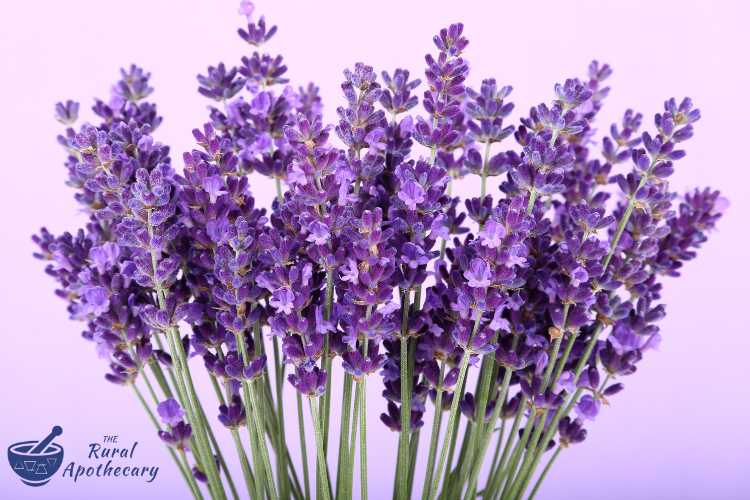
Lavender has been cherished across cultures for thousands of years, with its documented use dating back to ancient Egypt, where it was used in mummification and perfumery. The name derives from the Latin “lavare,” meaning “to wash,” reflecting its historical use in Roman baths. Throughout medieval Europe, lavender became a staple in monastery gardens, where monastics documented its various applications in their medicinal texts.
Lavender
Usage Information
Traditional Uses
According to European monastic traditions, lavender was considered a universal healing herb. The Benedictine monasteries particularly valued it for promoting restful sleep and easing anxiety. In Provence, France, lavender has been traditionally used by local communities for centuries in household applications, from linen freshening to natural cleaning.
Modern Applications
Today, lavender continues to be one of the most versatile herbs in modern herbalism:
- Aromatherapy for relaxation and sleep support
- Skin care for minor irritations and burns
- Natural household cleaning and freshening
- Culinary use in Herbs de Provence and modern cuisine
- Garden plantings for pollinator support
Spiritual Associations
Lavender has been associated with purification and protection in various European spiritual traditions. These practices are generally considered open traditions, meaning they can be respectfully incorporated into personal spiritual practices. Historically, it was hung over doors in European households for protection and burned as a smudge for cleansing spaces.
Research
Scientific Research
Recent studies have explored lavender’s potential benefits. Research published in the Journal of Alternative and Complementary Medicine suggests that lavender essential oil may help support healthy sleep patterns. Additionally, studies have investigated its potential role in promoting relaxation and emotional well-being.
Growing/Sourcing Information
Lavender thrives in well-drained soil with full sun exposure. This hardy perennial prefers:
- Alkaline soil (pH 6.7-7.3)
- Minimal watering once established
- Good air circulation
- Regular pruning to maintain shape
We source our lavender from small-scale organic farms in the Pacific Northwest and Provence regions, ensuring sustainable cultivation practices and optimal growing conditions.
Sustainable Practices
At The Rural Apothecary, we ensure our lavender is:
- Organically grown without synthetic pesticides
- Harvested at peak potency
- Dried using energy-efficient methods
- Packaged in recyclable or compostable materials
- Sourced from farms practicing regenerative agriculture
Safety Information and Legal Disclaimer
The information provided about Lavender (Lavandula angustifolia) is for educational purposes only. This information has not been evaluated by the FDA and is not intended to diagnose, treat, cure, or prevent any disease. Always consult with a qualified healthcare practitioner before using any herbal remedy.
While lavender is generally recognized as safe for most people, consider the following:
- Possible drowsiness when used in large amounts
- May interact with certain medications that cause drowsiness
- Some individuals may experience skin sensitivity
- Pregnant and nursing individuals should consult healthcare providers before use
Additional Information
Harvesting Guidelines
While specific harvesting guidelines for this item are not extensively documented, we recommend following general best practices for harvesting:
– Harvest during dry conditions to prevent mold development
– Follow sustainable harvesting practices
– Process and dry materials promptly after collection
– Store in appropriate conditions to maintain quality
– Document harvest dates and conditions
– Always positively identify plants before harvesting
Note: This information represents general guidelines. As we gather more specific information about this item’s harvesting requirements, we will update this section accordingly.
Conservation Status
The current conservation status of this has not been formally assessed by major conservation organizations. Until a thorough evaluation is conducted:
– We practice precautionary cultivation methods
– Support sustainable harvesting practices
– Encourage garden cultivation when possible
– Monitor wild populations when encountered
– Document any observed changes in local populations
– Partner with conservation organizations for future assessments
The Rural Apothecary takes a conservative approach to wild harvesting and prioritizes cultivated sources whenever possible.
Cultural Significance
While this item’s complete cultural history may not be fully documented, we acknowledge that many herbs have deep cultural roots that may have been lost or obscured over time. We:
– Continue researching historical documents
– Consult with cultural knowledge keepers when appropriate
– Document any newly discovered historical uses
– Maintain openness to new historical information
– Respect traditional knowledge systems
– Update our understanding as new information becomes available
The Rural Apothecary is committed to honoring and accurately representing the cultural heritage of all herbs in our collection. If you are aware of any cultural significance, please reach out.
Processing and Storage
While specific processing requirements for this is not fully documented, we follow these general best practices:
– Store in airtight containers away from direct sunlight
– Maintain cool, dry storage conditions
– Monitor for any signs of degradation
– Rotate stock regularly
– Label with harvest or purchase dates
– Follow general herb storage guidelines
We continue to document and refine our understanding of optimal processing and storage methods for this herb.